
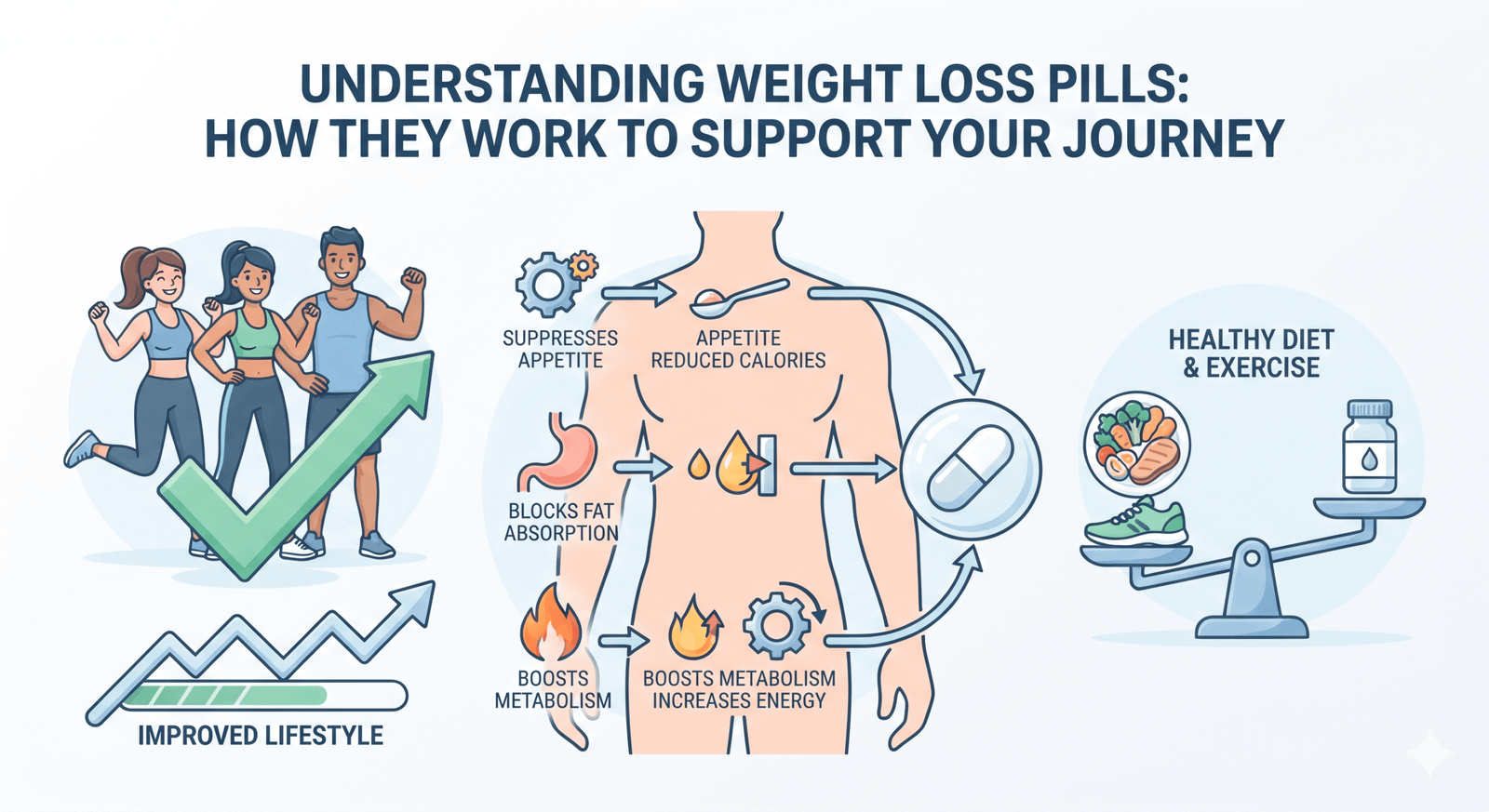
Shedding extra pounds can feel like an uphill battle. With countless products flooding the market promising overnight transformations, it is easy to feel overwhelmed. If you have ever wondered what weight loss pills actually are, how they function inside the body, and whether they live up to the hype, this comprehensive guide is for you.
Why We Struggle With Weight Loss
For decades, society has told us that weight loss is simply a matter of “eating less and moving more.” While calories in versus calories out matter, this simplistic view ignores the complex biological reality of human biology.
When you cut calories, your body reacts as if it is facing starvation. It ramps up hunger hormones like ghrelin (which stimulates appetite) while dropping levels of leptin (the hormone that tells your brain you are full). Furthermore, your metabolism slows down to conserve energy. Genetics, chronic stress, lack of sleep, and insulin resistance also play monumental roles. Because our bodies actively fight against weight loss, willpower alone often falls short, leading many people to seek medical assistance.
Is It Easy to Reduce Your Weight Using Weight Loss Pills?
When searching for weight loss pills that actually work, many people hope for an effortless, hands-off solution. The short answer is: no, it is not a magic fix.
Weight loss pills are designed to support your weight management journey, not replace healthy habits. If you are wondering whether you can rely entirely on weight loss pills that actually work without changing your diet or activity levels, the reality is more nuanced. Prescription medications and over-the-counter options can significantly reduce appetite, block fat absorption, or increase fullness, making it easier to stick to a calorie deficit. However, without sustained behavioral changes, weight is frequently regained once the medication is stopped.
How Do They Work?
Different medications target different pathways in your body. To make this easier to understand, consider how these two common types function:
- Appetite Suppressants (Brain-Targeted): Medications like phentermine-topiramate or narcotic/antidepressant combinations affect neurotransmitters in the central nervous system. They trick your brain into feeling full sooner and reduce intense cravings for sugar or carbs.
- Example: Imagine sitting at dinner; instead of feeling ravenous and wanting a second helping, your brain signals satisfaction much earlier in the meal, allowing you to naturally eat smaller portions.
- Fat Blockers (Gut-Targeted): Medications like orlistat (available over-the-counter as Alli or by prescription as Xenical) operate directly in your digestive tract rather than your brain.
- Example: When you eat a fatty meal, orlistat blocks digestive enzymes from breaking down roughly 30% of that dietary fat. Instead of being absorbed by your body and stored as calories, the unabsorbed fat passes naturally through your digestive system.
Potential Risks and Side Effects
Yes, like any medication, weight loss pills carry potential side effects and risks. The nature of the side effect depends entirely on how the pill works:
- Gastrointestinal Issues: Fat-blocking pills frequently cause oily stools, urgent bathroom trips, gas, and bloating if you consume too much fat in a single meal.
- Central Nervous System Effects: Stimulant-based appetite suppressants can cause increased heart rate, elevated blood pressure, insomnia, dry mouth, and nervousness.
- Nutrient Deficiencies: Because fat-blocking pills reduce the absorption of dietary fats, they can also interfere with fat-soluble vitamins (such as Vitamins A, D, E, and K), often requiring a daily multivitamin supplement.
Pros & Cons of Taking Weight Loss Pills
To help you weigh your options clearly, here is a breakdown of the advantages and disadvantages:
| Pros (Advantages) | Cons (Disadvantages) |
|---|---|
| Accelerated Progress: Can jumpstart weight loss when diet and exercise plateau. | Side Effects: Potential for digestive discomfort, nausea, or sleep disturbances. |
| Appetite Control: Helps quiet “food noise” and persistent cravings. | Cost & Access: Many advanced medications are expensive or lack insurance coverage. |
| Health Improvements: Can lower blood pressure, blood sugar, and cholesterol levels. | Weight Regain Risk: Pounds can return if lifestyle habits are abandoned after stopping treatment. |
| Medical Supervision: Encourages structured oversight from a healthcare provider. | Not a Standalone Cure: Requires ongoing commitment to nutrition and physical activity. |
Conclusion
Ultimately, identifying safe weight loss pills that actually work requires partnering with a qualified healthcare professional who can evaluate your medical history, check for underlying conditions, and guide you toward a tailored, safe regimen. Weight loss medications are powerful medical tools, but they work best when combined with balanced nutrition, hydration, and regular movement.